Stitching Sentiment: A Designer’s Review of You Had Me at Hello
As an embroidery designer who has spent countless hours staring at digitized files and watching needles dance across fabric, I have developed a keen eye for what makes a design work in the real world. We often browse through endless libraries of digital embroidery file options, looking for that perfect piece to elevate a handmade product. Recently, I came across a charming entry in the Freebies category titled You Had Me at Hello. While many free assets are overlooked or deemed too simple for professional use, this particular set of Graphics caught my attention. It is not just about the phrase; it is about how the design translates from a screen to a tangible, stitched reality.
First Impressions and Visual Personality
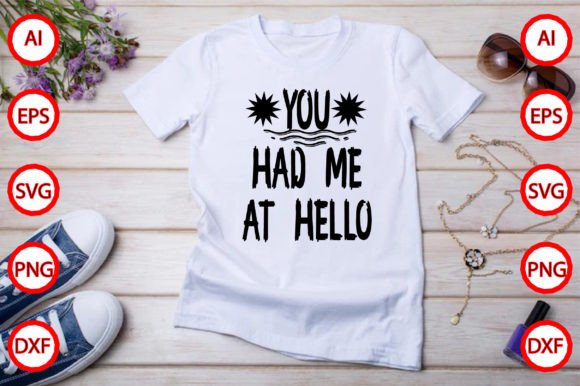
The first thing I noticed about You Had Me at Hello was its clean, approachable aesthetic. In the world of embroidery project planning, clarity is king. This design does not rely on overly complex shading or dense fill areas that can puckering lightweight fabrics. Instead, it offers a balanced layout that feels modern yet timeless. The mood it creates is warm and inviting, making it an ideal candidate for personalized gift items. Whether you are aiming for a romantic vibe or a friendly welcome, the visual personality of this design is versatile enough to fit multiple contexts without feeling forced.
When evaluating any new asset, I look at the shape and detail level. This design appears to have a moderate detail level, which is crucial for maintaining stitching clarity. Overly intricate designs can get lost in the texture of certain materials, but You Had Me at Hello seems to strike a right balance. It suggests a combination of satin stitch for smooth outlines and potentially fill stitch for broader areas, though the exact execution depends on how you choose to digitize or utilize the provided vector paths.
Real-World Application: The Tote Bag Test
To truly understand the value of a design, I mentally place it on a specific product. Imagine preparing a custom tote bag design for a local boutique. Canvas is a sturdy fabric, but it has a distinct weave. A design like You Had Me at Hello would sit beautifully on a natural cotton canvas tote. The contrast between the thread and the fabric would be sharp, ensuring the message is readable from a distance. This is where the design shines as a small shop product. It is not just decoration; it is a statement piece that adds value to a basic item.
Beyond totes, consider sweatshirt embroidery. A crewneck sweatshirt provides a soft, slightly textured background. Here, the design’s simplicity works in its favor. Complex, high-density designs can make heavy garments feel stiff and uncomfortable. A lighter, well-spaced design allows the garment to drape naturally while still offering a professional finish. For an Etsy seller, this means fewer complaints about comfort and higher customer satisfaction. The design becomes part of the wearer’s identity, whether it is a cozy gift for a friend or a branded item for a craft business.
Navigating Fabric and Hoop Constraints
While You Had Me at Hello is versatile, practical experience dictates caution in certain scenarios. When working with stretchy fabric like jersey knits for t-shirts, stability is key. Even with a simple design, improper hooping can lead to distortion. I always recommend using a cut-away stabilizer for knitwear to ensure the stitches remain crisp after washing. Additionally, if you are attempting baby embroidery on delicate onesies, you must check the stitch density. If the original vector files are converted into a dense fill, it might be too harsh for sensitive skin. Testing on scrap fabric is non-negotiable here.
Another critical consideration is hoop size. Since the provided files include AI, EPS, and SVG formats, you have the flexibility to scale the design. However, scaling up too much can reveal jagged edges if the original vectors are not smooth. Conversely, shrinking it too small for a embroidered patch might cause the letters to merge, especially if using a running stitch outline. Always preview your design in black and white mockups to check for legibility before committing to thread.
Technical Assets and Workflow Integration
From a technical standpoint, the inclusion of AI, EPS, and SVG files in the zip package is a significant advantage for designers. These are not direct machine embroidery formats like PES or DST, but they are essential design assets for customization. As an experienced reviewer, I appreciate having the source files. The AI file allows for precise color changes in Adobe Illustrator, ensuring your thread colors match your brand palette perfectly. The EPS file ensures compatibility with software like Inkscape and Corel Draw, making it accessible for designers who do not use Adobe products. The SVG file is particularly useful for those using cutting machines like Cricut, allowing for hybrid projects where embroidery meets vinyl or applique.
However, it is important to note that these vector files require conversion into a machine-readable format. If you are not a digitizer, you will need to use auto-digitizing software or hire a professional to convert these vectors into a proper embroidery file. This step is crucial because auto-digitizing can sometimes create inefficient stitch paths. Always review the generated stitch order and trim commands to ensure a clean finished product.
Commercial Viability and Brand Trust
For commercial embroidery professionals, the quality of your design directly impacts buyer engagement and trust. A sloppy stitch-out can damage your reputation, while a clean, well-executed design builds loyalty. You Had Me at Hello has the potential to be a staple in your portfolio if handled correctly. It fits well into categories like holiday embroidery for Valentine’s Day or wedding gifts, where sentimentality drives sales. By offering this design on high-quality items, you signal to customers that you care about details.
Before selling any custom apparel or digital products featuring this design, you must confirm the licensing terms. Since it is listed under Freebies, ensure that commercial use is permitted. Some free assets are for personal use only. Assuming commercial rights are granted, this design can be a low-risk, high-reward addition to your printable mockup library or physical inventory.
Final Verdict for Makers and Designers
In conclusion, You Had Me at Hello is a solid choice for designers looking for versatile, sentiment-driven graphics. It performs best on stable fabrics like canvas, denim, and twill, making it ideal for tote bag design, aprons, and pillow covers. With careful attention to stabilizer choice and stitch density, it can also succeed on softer garments. The availability of vector files empowers you to customize the look, ensuring it aligns with your unique brand voice. For hobbyists and small business owners alike, this design offers a practical foundation for creating meaningful, marketable items. Just remember to test, adjust, and respect the technical limits of your machine to achieve the best results.