Reviewing My Heart Belongs to Mommy for Real Embroidery
As a designer who has spent countless hours hooping, stitching, and unpicking, I approach every new machine embroidery design with a mix of curiosity and caution. We have all been there: you download a file that looks pristine on the screen, only to find it turns into a tangled mess of thread breaks and puckering once it hits the fabric. Today, I am taking a close look at My Heart Belongs to Mommy, a digital asset that lands in the Freebies and Graphics category but demands professional scrutiny before it ever touches your needle.
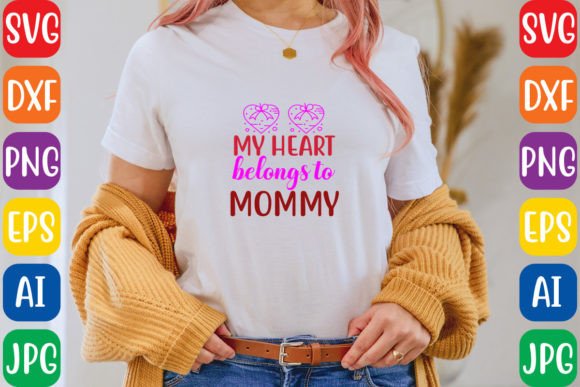
The first impression of this design is one of warmth and simplicity. The phrase "My Heart Belongs to Mommy" suggests a tender, sentimental mood, likely targeting the baby and nursery market. Visually, the layout appears clean, relying on the emotional weight of the words rather than overly complex graphical elements. For an experienced eye, this is both a blessing and a challenge. Simple text-based designs can look elegant and high-end, but they also leave no room for error. Every curve in the lettering and every edge of the heart motif must stitch out cleanly to maintain that professional polish.
Real-World Application: The Custom Tote Test
To truly evaluate My Heart Belongs to Mommy, I imagined a specific real-life scenario. A client approaches me for a set of personalized canvas tote bags for a baby shower gift. They want something durable, cute, and clearly handmade. This is where the design’s potential shines. Placed centrally on a natural cotton canvas, the sentiment becomes the focal point. However, the success of this embroidery project hinges entirely on execution.
If I were using this for a tote bag design, I would immediately consider the stitch density. Canvas is thick and unforgiving. If the design relies heavily on dense fill stitch areas within the heart or bold lettering, it could cause the fabric to pucker or the hoop marks to remain visible long after the project is finished. On the other hand, if the design utilizes a mix of satin stitch for outlines and lighter fills, it might sit beautifully on the textured surface. The key is balance. A design that looks flat in a digital preview can become dimensional and rich when stitched, provided the tension and stabilizer are correct.
Navigating Fabric and Hoop Constraints
One of the most critical aspects of reviewing any digital embroidery file is understanding where it should not be used. While My Heart Belongs to Mommy might be perfect for a sturdy tote or a structured apron, I would hesitate to use it on certain materials without extensive testing. For instance, placing this on a stretchy jersey knit for a sweatshirt embroidery project requires a cut-away stabilizer and careful attention to pull compensation. Without it, the letters could distort, turning a sweet message into an unreadable squiggle.
Similarly, small hoop sizes present a challenge. If the design includes intricate details or tiny serifs in the font, scaling it down to fit a 4x4 inch hoop for a baby embroidery item like a onesie could result in lost detail. The running stitch elements might become too sparse, while satin columns could become too narrow to cover the fabric properly. I always advise checking the actual dimensions of the design file before committing to a small garment. It is better to choose a simpler version of the design or adjust the scale carefully to ensure legibility.
Visual Appeal and Brand Consistency
For Etsy sellers and craft business owners, the visual appeal of a design directly impacts perceived value. My Heart Belongs to Mommy has a classic, timeless feel that can enhance brand consistency if your shop focuses on family-oriented or sentimental goods. When customers see a well-stitched, clean design, it builds trust. It signals that you care about quality, which encourages repeat business. However, if the stitching is messy or the thread colors clash, it can detract from the handmade product aesthetic.
Thread color choice plays a massive role here. On a white tote, a soft pink or pastel blue thread might look delicate and appropriate. But on a dark navy sweatshirt, those same colors might lack contrast. I recommend testing the design in black and white mockups first to check for clarity. If the design loses its shape in grayscale, it may rely too much on color variation rather than structural stitching, which can be risky for commercial production where color matching varies by batch.
Technical Notes for the Serious Maker
Before you rush to stitch this out for a client, there are practical steps to take. First, note what you are actually getting. The product description states: "WHAT YOU WILL GET IN THIS DESIGN FILE WORD BY LAYER SVG FILES DIGITAL DOWNLOAD ONLY no physical product Your download includes one .zip file with the following files 1 Ai File Adobe illustrator source." This is crucial information. An AI file is a vector format used in Adobe Illustrator, not a native machine embroidery format like PES or DST. This means you will need to digitize the design yourself or convert it using specialized software. This adds a layer of complexity but also offers control. You can adjust the stitch density, change stitch types, and optimize the pathing for your specific machine.
If you are not a digitizer, this file might not be ready-to-stitch out of the box. Always confirm license terms before selling finished product items. Since this is listed under Freebies, ensure that commercial use is permitted. Many free graphics are for personal use only. Violating these terms can harm your small shop product reputation and lead to legal issues.
Test the design on scrap fabric that matches your final project material. Check how the stabilizer interacts with the stitch pattern. Inspect small details for thread breaks. Compare how it looks on light versus dark backgrounds. These steps are not just busy work; they are the difference between a hobbyist mistake and a professional commercial embroidery result.
Final Verdict on Usability
My Heart Belongs to Mommy is a design with heart, literally and figuratively. Its strength lies in its emotional resonance and clean layout. However, its technical execution depends heavily on the user’s skill in handling the provided AI source file. For designers who can digitize or convert vectors effectively, this is a versatile asset for custom apparel, embroidered patch creations, and holiday embroidery gifts. For those expecting a plug-and-play embroidery file, the workflow will require extra steps.
Use it wisely. Respect the fabric, choose your threads with intention, and always prioritize the durability of the finished product. When done right, this design can become a cherished part of a customer’s memory, stitched permanently into their favorite keepsake. That is the true power of good embroidery design: it turns thread into sentiment.