Little Miss Valentine: A Designer’s Practical Review
As a designer who has spent countless hours staring at stitch simulations and troubleshooting thread breaks, I approach every new machine embroidery design with a mix of curiosity and caution. When I first opened the folder for Little Miss Valentine, my immediate reaction was not just about cuteness, but about utility. In the world of handmade goods, a design must be more than visually appealing; it must be technically sound and commercially viable. This review breaks down how this specific asset performs when moved from a digital screen to actual fabric, focusing on real-world application for crafters and small business owners.
First Impressions and Visual Personality
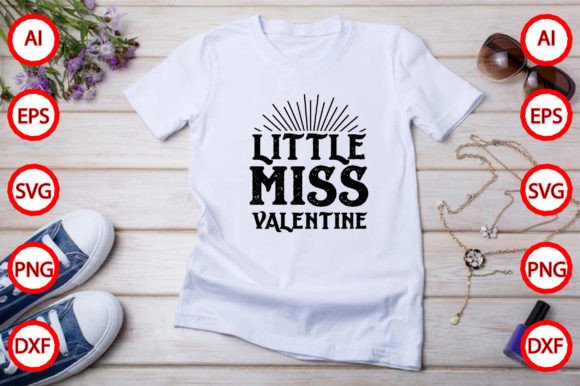
The mood of Little Miss Valentine is undeniably sweet, but what caught my eye was the clarity of its lines. Many holiday-themed graphics suffer from excessive detail that gets lost in translation when stitched out. This design, however, maintains a clean silhouette that suggests it will translate well into thread. The visual personality is playful yet polished, making it suitable for a wide range of demographics, from nursery decor to boutique adult apparel.
Since this product falls under the category of Freebies and includes vector-based Graphics like Ai, EPS, and SVG files, it offers flexibility that pure embroidery files sometimes lack. You can manipulate the colors and scale before even thinking about hoop size. This is a crucial advantage for designers who need to match specific brand palettes or create custom mockups for Etsy listings before committing to production.
Real-World Application: The Tote Bag Test
To truly evaluate a design, you have to imagine it on a product. I visualized Little Miss Valentine on a natural canvas tote bag. This is a staple item for many Etsy sellers and craft fair vendors. The design’s layout appears balanced, meaning it should sit comfortably in a standard 5x7 or 6x10 hoop without requiring excessive trimming or awkward placement.
For a custom apparel project, such as a children’s sweatshirt, the design’s simplicity is a strength. Complex fill stitch areas can become stiff and uncomfortable on soft garments, but if this design relies on cleaner lines or moderate density, it remains wearable. I would recommend testing it on a mid-weight cotton blend to see how the fabric holds the shape. If the design includes any text, ensure the font weight is substantial enough to survive the washing machine without fraying.
Versatility Across Product Lines
Beyond totes and sweatshirts, this graphic has potential in several other niches:
- Baby Embroidery: Perfect for onesies or burp cloths, provided the stitch density is low enough to remain soft against sensitive skin.
- Embroidered Patch: The clear outlines make it an excellent candidate for iron-on patches, which are high-margin items for small shops.
- Holiday Embroidery: Use it on kitchen towels or aprons to add seasonal charm to home goods.
- Digital Products: Since you receive SVG and EPS files, you can use these for printable mockups or sublimation designs, expanding your revenue streams beyond physical stitching.
Technical Considerations for Stitching
While the vector files allow for color changes and scaling, transitioning this into a stitched finished product requires attention to technical details. Because the download does not specify exact stitch counts or native embroidery formats like PES or DST, you will likely need to digitize the SVG or AI file yourself or use auto-digitizing software. This is where experience matters.
Stitch density is the most critical factor. If you auto-digitize, check the settings carefully. High density on a stretchy fabric like a t-shirt will cause puckering. Always use a proper stabilizer—cut-away for knits and tear-away for wovens. I advise running a test stitch on scrap fabric of the same type you intend to use for the final item. This helps you identify any potential thread breaks or registration issues before ruining a expensive garment.
Fabric and Hoop Constraints
Be cautious when applying this design to textured fabrics like terry cloth or heavy denim. Fine details can get lost in the pile of the fabric. Similarly, if you plan to use this on curved surfaces like caps, ensure the design width fits within the narrow hoop constraints. Small, intricate corners may require manual tweaking of the stitch path to prevent bird-nesting or loose threads.
For dark fabrics, consider using a lighter thread color to maintain visibility, or add a satin stitch border to make the design pop. Contrast is key to professional presentation. A muddy or low-contrast stitch job can devalue a handmade product, making it look amateurish regardless of the design’s inherent charm.
Commercial Viability and Brand Trust
For commercial embroidery and small business owners, consistency is vital. Little Miss Valentine offers a cohesive look that can help build brand recognition. When customers see a clean, well-stitched design, they associate it with quality. This builds trust and encourages repeat purchases.
However, always verify the licensing terms. While this is listed as a freebie, commercial use rights can vary. Ensure you are allowed to sell finished items featuring this design. If you are creating digital assets, confirm whether the SVG and EPS files can be redistributed or only used for personal projects. Protecting your business from copyright issues is just as important as the stitching itself.
Final Verdict for Makers
Little Miss Valentine is a versatile asset that bridges the gap between digital design and physical craft. Its strength lies in its adaptability. Whether you are a hobbyist making gifts for family or a seasoned craft business owner stocking up for Valentine’s Day, this design offers a solid foundation.
Remember to treat the vector files as a starting point. Adjust colors to suit your thread inventory, test densities on your specific machine, and always prioritize the comfort and durability of the final item. By combining this charming graphic with thoughtful execution, you can create products that not only look good but stand up to real-life use. Happy stitching!