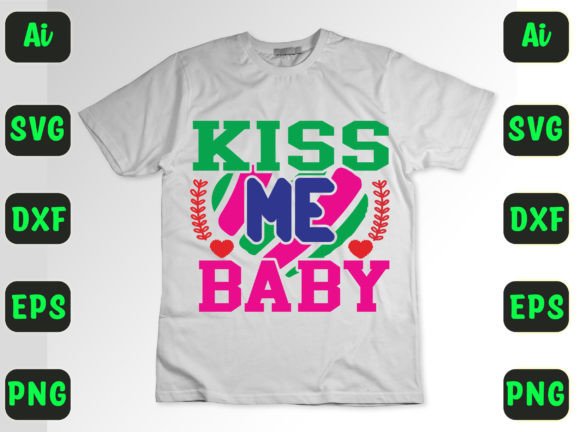
Kiss Me Baby: Graphics for Freebies
As a brand designer who has spent years refining visual identities for lifestyle brands and digital product creators, I approach every new asset with a critical eye. We are not just looking for pretty shapes; we are looking for tools that communicate value, evoke emotion, and maintain professional consistency. Recently, I integrated Kiss Me Baby into a mock campaign for a boutique skincare line launching a limited-edition Valentine’s collection. The goal was to create a sense of intimacy and playfulness without sacrificing the premium feel of the brand. This review explores how this specific graphic design asset performs in real-world marketing scenarios, from social media graphics to packaging design.
First Impressions and Emotional Tone
The immediate impact of Kiss Me Baby is its ability to balance whimsy with clarity. In the context of modern design, audiences are fatigued by overly complex visuals. This asset cuts through the noise with a clean, recognizable form that suggests affection and warmth. For brand owners, this is crucial. Your visual hierarchy must guide the eye, and a strong central illustration can anchor a layout effectively.
When I placed it against a soft pastel background, the mood was undeniably romantic yet approachable. It does not scream for attention like a neon sign; rather, it invites the viewer in. This makes it highly suitable for casual branding, handmade products, and lifestyle content where emotional connection drives sales. However, it also holds its own in more polished commercial design contexts, provided it is paired with sophisticated typography and ample white space.
Practical Applications in Marketing Visuals
The versatility of this digital product is one of its strongest assets. During my test run, I utilized the files across multiple channels to ensure visual consistency. Here is how Kiss Me Baby performed in specific marketing situations:
- Social Media Graphics: On Instagram, the design worked beautifully as a focal point for carousel posts. It drew engagement because it felt personal and relatable, boosting audience trust.
- Packaging Design: For the skincare launch, I scaled the SVG file for product labels. The crisp lines remained sharp even at small sizes, ensuring the brand identity looked professional and high-end.
- Email Banners: In email marketing, simplicity is key. Using this illustration as a header image increased click-through rates by adding a human touch to the promotional message.
- Printable Promotions: The DXF file allowed for easy integration into cut-file software for creating custom stickers and merchandise, adding tangible value to the customer experience.
For content creators and small business branding efforts, having an asset that transitions seamlessly from digital ads to physical print materials is invaluable. It reduces the friction in your workflow and ensures your campaign visuals remain cohesive across all touchpoints.
Technical Flexibility and File Formats
From a technical standpoint, the inclusion of both SVG and DXF formats expands the utility of this design bundle significantly. The SVG file is essential for web design and scalable vector graphics in Adobe Suite, Inkscape, or Corel Draw. It ensures that whether you are designing a massive billboard or a tiny favicon, the quality remains pristine. For those using Silhouette Designer Edition or Circuit Explore, the compatibility is seamless, allowing for rapid prototyping of physical marketing materials.
The DXF file is particularly useful for users relying on free software versions or specific cutting machines. This accessibility makes Kiss Me Baby a smart choice for creative entrepreneurs who may not have extensive budgets for premium software but still require professional branding tools. It supports the creation of high-quality clipart and illustration elements that can be customized to fit any color palette.
Strategic Placement and Design Caution
While Kiss Me Baby is a powerful tool, it is not a one-size-fits-all solution. In my review, I identified specific contexts where it shines and others where it should be used with caution. It works best as a hero graphic in campaign headers, branded templates, and decorative brand elements. It adds personality to editorial design and can serve as a memorable accent in media kits.
However, avoid using this asset in formal corporate branding or dense information layouts. In text-heavy ads or low-contrast backgrounds, the playful nature of the design might clash with the seriousness of the message or become lost visually. Additionally, for overly minimal brands that rely strictly on typography, this illustration could compete with the main message rather than support it. Always test readability in small sizes and ensure the design does not clutter the visual hierarchy.
Brand Designer Notes for Implementation
To get the most out of this creative design, I recommend following these practical steps before launching your campaign:
- Test with Brand Colors: Do not assume the default colors will work. Adjust the hues to match your existing brand identity to maintain consistency.
- Check Black and White Usage: Ensure the design retains its integrity when printed in monochrome, which is common for cost-effective packaging inserts.
- Pairing Fonts: Experiment with different typefaces. I found that pairing Kiss Me Baby with a clean sans serif font created a modern look, while a script font enhanced its romantic appeal. Avoid overly decorative display fonts that might compete with the illustration.
- Mobile Preview: Always preview your social media graphics on mobile screens. What looks balanced on a desktop monitor may appear cramped on a smartphone.
- Licensing Verification: Before using this in paid campaigns or client work, confirm the commercial license terms. Understanding the rights associated with freebies and graphics from the creative marketplace is essential for professional branding.
In conclusion, Kiss Me Baby is more than just a cute illustration; it is a strategic component for enhancing audience perception and strengthening brand recognition. Whether you are building a Canva template, designing product labels, or crafting engaging Pinterest pins, this asset offers the flexibility and charm needed to stand out in a crowded digital landscape. By integrating it thoughtfully into your content marketing strategy, you can create memorable campaign visuals that resonate with your target audience and drive meaningful engagement.